

 Aeronautical Engineer
Dreaming of becoming aeronautical engineers?
On this page, you will find comprehensive information about the aeronautical engineering profession: what the role involves, what qualities are required, and how to determine if you are suitable for it in terms of skills and personality profile. Career guidance is done online here on the website, start now!
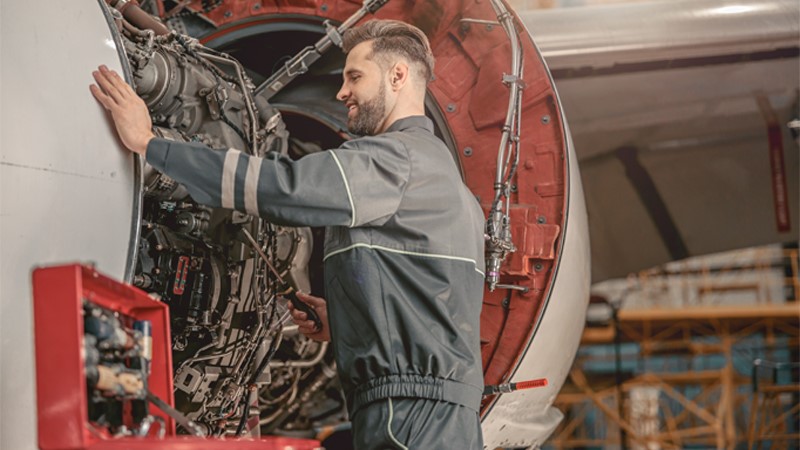
An aeronautical engineer is involved in the design, development, and maintenance of aircraft and aviation systems, such as airplanes, drones, missiles, and rockets. Their role includes working with mechanical, electrical, hydraulic, and structural systems to ensure that the vehicles are safe, efficient, and resilient in extreme conditions. Aeronautical engineers also work on improving the performance of aircraft, developing new aviation technologies, and streamlining the processes related to their construction and maintenance. This field also includes space exploration, where aeronautical engineers are engaged in designing and building flight systems for space exploration, satellites, space stations, and other technological systems related to space.
Tests and Characteristics
Candidates being tested for this position may be required to take the following tests:
Memory - Digits 10
Shape Matching 4
Mechanical Reasoning 5
Memory - Tasks 5
Diagrammatic Reasoning 8
English Proficiency - Reading Comprehension 4
Verbal Analogies 4
Figural Perception Flexibility 3
Mental Arithmetic 5
Number Sequences 6
Mental Rotations 4
Information and additional options:
