All fields Exams for Local Authorities Authority Engineer

Aptitude Test for Municipal engineer

Civil Engineering
Here you will get to experience and practice the specific aptitude test for an Municipal engineer position. On the next page, you will see all the traits that characterize an Municipal engineer's and all the tests we have developed in order to evaluate them. You will be able to choose which tests to take and adjust the overall price of the test set. Once you're done, we will generate a detailed report with your scores and relevant explanations.
Our system also generates PDF files for ease of use.
Tests for the position of Authority Engineer
Results report ready Summary
Aptitude tests Skills
Skills test Tests
Personality Test Personality
To view errors, go to the card then press the button show mistakes.
An example recommendation summary
Authority Engineer
1 2 3 4 5 6 7 8 9
1 2 3 4 5 6 7
Example Skills (Traits) Report of
Authority Engineer
5
5
6
4
5
7
5
5
7
4
5
General average
A general mathematical average of all tests tested, it is important to understand that there are tests of different importance and therefore the average does not necessarily reflect the level of the examiner in the position.
Overall Accuracy
The level of accuracy achieved relative to the number of questions solved, and compared with the general population. The higher the level of accuracy, the more accurately the person works on tasks that require thinking.
Overall Work Pace
The number of questions answered within the allocated time limit, relative to the general population. The higher the score, the faster the work pace in tasks that require thinking.
General cognitive ability, reflecting the ability to learn, absorb, process and use information, acquire new skills, and cope with intellectual challenges.
Trait-related tests
Verbal Analogies 5 Diagrammatic Reasoning 6
The ability to derive concrete conclusions from abstract ideas.
Trait-related tests
Verbal Analogies 5 Diagrammatic Reasoning 6 Mental Rotations 4
The ability to process different types of visual shape-based stimuli, accurately perceive visual forms, and track their position as they change in space. This ability is relevant, for example, to roles that require creating and reading diagrams, drawings, maps, plans, and similar materials, as well as understanding how these visual-spatial representations are reflected in reality.
Trait-related tests
Figural Perception Flexibility 6 Diagrammatic Reasoning 6 Mental Rotations 4
The visual perception of three-dimensional shapes, as well as the ability to mentally rotate three-dimensional objects in space.
Trait-related tests
Mental Rotations 4
The ability to identify hidden shapes within a complex visual structure while ignoring irrelevant stimuli.
Trait-related tests
Figural Perception Flexibility 6 Mental Rotations 4 Shape Matching 6
The ability to quickly and efficiently perform simple, monotonous tasks that require attention, concentration, attention to detail, and accuracy.
Trait-related tests
Sequence Matching 7 Shape Matching 6
The ability to remember information encountered in everyday situations and integrate it with prior knowledge, so it can be used later to achieve goals and complete tasks. The information remembered is meaningful, and the memory formed depends on the context in which the new information was learned.
Trait-related tests
Memory - Tasks 4
The ability to successfully handle problems that are primarily verbal, and to analyze and understand complex verbal messages.
Trait-related tests
Verbal Analogies 5 Understanding Written Instructions 5 Memory - Tasks 4
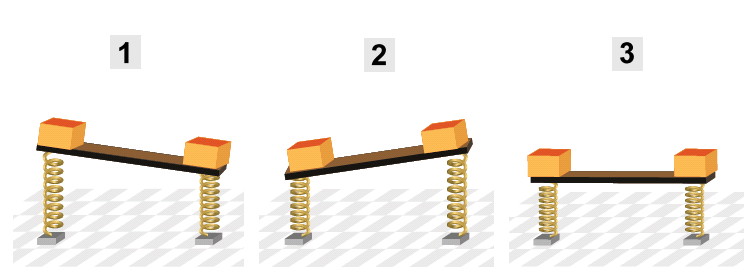
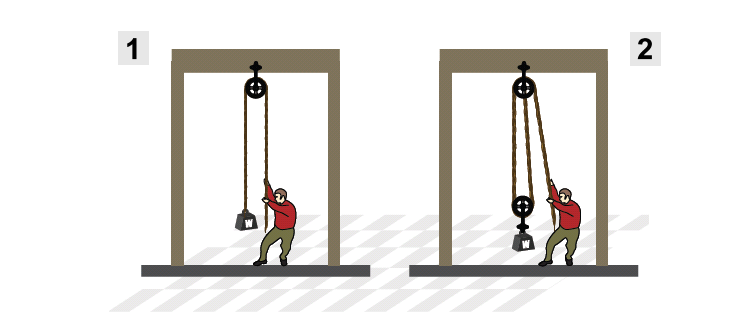
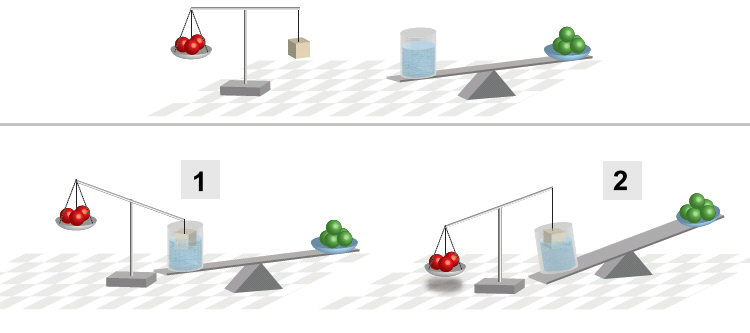
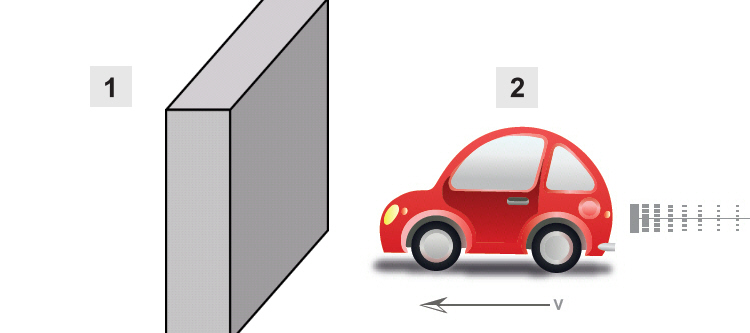
Understanding of basic mechanical and technical principles, simple machines, tools, and basic concepts in electricity.
Trait-related tests
Mechanical Reasoning 7
The breadth of knowledge acquired throughout life across various fields, serving as an indicator of future learning potential.
Trait-related tests
Memory - Tasks 4
The ability to analyze different types of data and draw actionable conclusions from them.
Trait-related tests
Verbal Analogies 5 Figural Perception Flexibility 6 Understanding Written Instructions 5 Diagrammatic Reasoning 6
Example Skills (Exams) Report of
Authority Engineer
output: 87.7% Time Utilization: 93.6%
Shape Matching
started : 24/08/20 12:44 | ended : 24/08/20 12:48
norm: 13-15 years (Secondary / academic education)
Score
Accuracy
Work pace
1 Mistakes
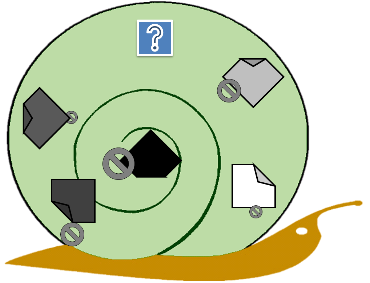
The "Shape Matching" test measures the ability to work quickly and accurately in space, the ability to locate specific symbols, and the ability to work with a mouse. These skills are required in jobs that demand visual precision, such as reading drawings, locating information on busy screens, and general executive agility.
5
7
Used: 98% out of 4 minutes
In this test the results are being calculated in a different way and mistakes cannot be observed.
started : 24/08/20 12:44 | ended : 24/08/20 12:48
The "Shape Matching" test measures the ability to work quickly and accurately in space, the ability to locate specific symbols, and the ability to work with a mouse. These skills are required in jobs that demand visual precision, such as reading drawings, locating information on busy screens, and general executive agility.
Understanding Written Instructions
started : 04/08/20 11:56 | ended : 04/08/20 12:08
norm: 13-15 years (Secondary / academic education)
Score
14 correct answers from 25
Accuracy
14 correct answers from what was done 24
Work pace
24 answers from 25
The test for Understanding Verbal Instructions is meant to estimate one's ability to understand written verbal instructions, and implement them. The test consists of complex instructions, i.e. the instructions include several operative stages, which might or might not be linked to each other (example: order, dependency, condition).
5
5
Used: 100% out of 12 minutes
סדר את ימות השבוע על-פי אורך המילה (מהקצרה לארוכה). מה יכול להיות היום החמישי? (להלן רשימת ימות השבוע: ראשון, שני, שלישי, רביעי, חמישי, שישי, שבת)
45 seconds
בספר של החיות, הצפרדע מופיעה בעמוד שבין הכלב לחמור. החמור מופיע בעמוד האחרון. הכלב והפרה מופיעים בעמודים צמודים. הצפרדע מופיע בצמוד לפרה. איזו חיה מופיעה בעמוד הראשון?
28 seconds
הפגישה של ענבל תתקיים לפני הפגישה של סיגל, שתתקיים לפני הפגישה של סופי. יש לשבץ גם את הפגישה של מלכה. מלכה וסופי לא יכולות להיות זו אחר זו. פגישות של אנשים ששמם מתחיל ב-ס' חייבות להיות אחרונות. מה תהיה הפגישה השנייה?
21 seconds
אבי אמר שצריך לקצוץ ולחתוך כעת את הבצל, אלא אם כן השמן עדיין לא חם, ואז יש לשטוף את הכלים המלוכלכים, ורק אחר-כך להבעיר את האש תחת המחבת ולקצוץ את הבצל. מה צריך לעשות עכשיו?
44 seconds
מיכל מארגנת את רשימת התלמידים שיעלו לאוטובוס. בשלב הראשון יעלו תלמידים ששמם מכיל 4 אותיות או פחות. לאחר מכן- יעלו תלמידים ששמם מכיל 5 אותיות, ולבסוף- כל היתר. כמה תלמידים יעלו בשלב האחרון? להלן רשימת התלמידים: נעמה, אביגדור, גבריאל, אדווה, עמית, ליאור, טלי, אביבית, מעיין, נתנאל, מיכאלה.
17 seconds
סדר את המילים הבאות עפ"י סדר א"ב, מהסוף להתחלה (כך שמילה המתחילה באות ת' תופיע בתחילת הרשימה). מה המילה הרביעית?
שולחן, כסא, ארון, דלת, מחשב, עט, חלון
23 seconds
כופף ברכיים מעלה-מטה, עמוד על קצות האצבעות, והבט על הבטן; אלא אם כן הפעולה הראשונה כללה איבר המתחיל באות ב', ואז בצע רק פעולות שאינן כוללות איבר המתחיל באות ב'. כמה פעולות עליך לבצע?
11 seconds
אם המשפט הזה נגמר באות שבאה בסדר האלף-בית אחרי האות בה המשפט הזה מתחיל, בחר בתשובה "נכון". אם לא, בחר בתשובה המתחילה באות בה המשפט מסתיים.
9 seconds
פגישה עם עודד תתקיים לפני פגישה עם מיכל, אבל אחרי פגישה עם שאול. הפגישה עם ענת תוכננה להתקיים אחרונה, אך היא ביקשה להקדים אותה. לכן, ענת תתחלף עם עודד, אך בכל זאת- הפגישה עם עודד חייבת להתקיים לפני הפגישה עם מיכל. מתי תתקיים הפגישה עם עודד.
12 seconds
מבין המטלות הבאות - מה המטלה שעליך לבצע שלישית?
16 seconds
started : 04/08/20 11:56 | ended : 04/08/20 12:08
The test for Understanding Verbal Instructions is meant to estimate one's ability to understand written verbal instructions, and implement them. The test consists of complex instructions, i.e. the instructions include several operative stages, which might or might not be linked to each other (example: order, dependency, condition).
Verbal Analogies
started : 24/08/20 10:01 | ended : 24/08/20 10:08
norm: 13-15 years (Secondary / academic education)
Score
16 correct answers from 25
Accuracy
16 correct answers from what was done 18
Work pace
18 answers from 25
Verbal Analogies are a significant part of human intelligence, inductive reasoning and common sense, as well as a component of learning ability, general understanding and the ability to generate new ideas.
5
5
5
5
Used: 100% out of 6 minutes
started : 24/08/20 10:01 | ended : 24/08/20 10:08
Verbal Analogies are a significant part of human intelligence, inductive reasoning and common sense, as well as a component of learning ability, general understanding and the ability to generate new ideas.
Memory - Tasks
started : 24/08/20 10:08 | ended : 24/08/20 10:18
norm: 13-15 years (Secondary / academic education)
Score
Accuracy
9
4
The "Memory - Tasks" test examines the ability to remember a number of daily tasks. Long-term memory is considered one of the components of human intelligence, because this skill is one of the tools we have in order to achieve goals.
5
5
4
Used: 77% out of 5 minutes
In this test the results are being calculated in a different way and mistakes cannot be observed.
started : 24/08/20 10:08 | ended : 24/08/20 10:18
The "Memory - Tasks" test examines the ability to remember a number of daily tasks. Long-term memory is considered one of the components of human intelligence, because this skill is one of the tools we have in order to achieve goals.
Sequence Matching
started : 24/08/20 10:11 | ended : 24/08/20 10:15
norm: 13-15 years (Secondary / academic education)
Score
45 correct answers from 50
Work pace
46 answers from 50
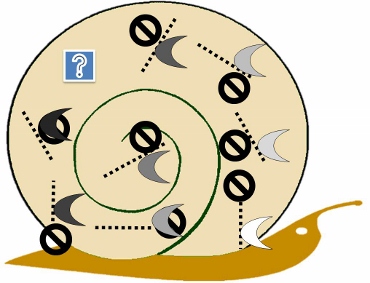
The "Sequence Matching" test measures a person's ability to work accurately and quickly in identifying differences between simple stimuli. This type of skill is important in administrative and clerical jobs of various kinds; however, accurate work is also required in tasks such as programming, actuarial work, information systems management, and more.
7
Used: 100% out of 4 minutes
started : 24/08/20 10:11 | ended : 24/08/20 10:15
The "Sequence Matching" test measures a person's ability to work accurately and quickly in identifying differences between simple stimuli. This type of skill is important in administrative and clerical jobs of various kinds; however, accurate work is also required in tasks such as programming, actuarial work, information systems management, and more.
Figural Perception Flexibility
started : 24/08/20 11:17 | ended : 24/08/20 11:21
norm: 13-15 years (Secondary / academic education)
Score
12 correct answers from 25
Accuracy
12 correct answers from what was done 15
Work pace
15 answers from 25
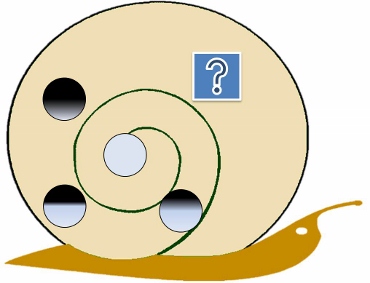
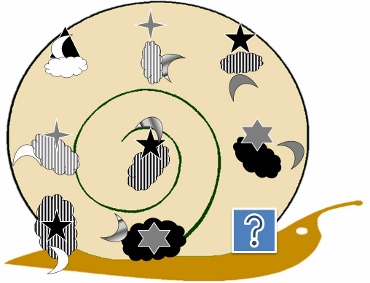
The Hidden Shape test examines the ability to separate between different visual stimuli, and locate an embedded target shape.
6
5
5
Used: 100% out of 4 minutes
started : 24/08/20 11:17 | ended : 24/08/20 11:21
The Hidden Shape test examines the ability to separate between different visual stimuli, and locate an embedded target shape.
Mental Rotations
started : 24/08/20 11:23 | ended : 24/08/20 11:27
norm: 13-15 years (Secondary / academic education)
Score
10 correct answers from 25
Accuracy
10 correct answers from what was done 24
Work pace
24 answers from 25
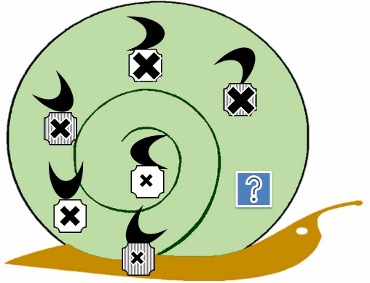
The Mental Rotations test requires imagining rotations of a given shape. The ability to perform a mental rotation is a spatial ability and is independent of the ability to perceive shapes. The process is done mentally (by thinking) without using actual physical elements to perform the task.
5
6
4
5
Used: 68% out of 6 minutes
started : 24/08/20 11:23 | ended : 24/08/20 11:27
The Mental Rotations test requires imagining rotations of a given shape. The ability to perform a mental rotation is a spatial ability and is independent of the ability to perceive shapes. The process is done mentally (by thinking) without using actual physical elements to perform the task.
Mechanical Reasoning
started : 22/08/20 14:43 | ended : 22/08/20 14:50
norm: 13-15 years (Secondary / academic education)
Score
15 correct answers from 20
Accuracy
15 correct answers from what was done 19
Work pace
19 answers from 20
The Technical Understanding test, probes the understanding of basic technical-mechanical principals, simple tools and basic knowledge in electricity.
7
Used: 100% out of 7 minutes
started : 22/08/20 14:43 | ended : 22/08/20 14:50
The Technical Understanding test, probes the understanding of basic technical-mechanical principals, simple tools and basic knowledge in electricity.
Diagrammatic Reasoning
started : 30/08/20 16:50 | ended : 30/08/20 18:01
norm: 13-15 years (Secondary / academic education)
Score
17 correct answers from 25
Accuracy
17 correct answers from what was done 25
Work pace
25 answers from 25
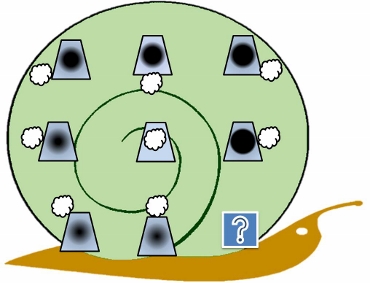
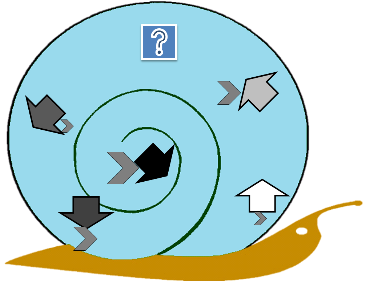
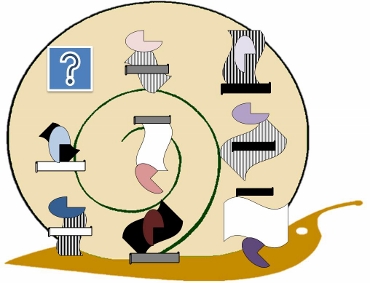
The "Diagrammatic Reasoning" test examines the ability to conclude about the rules that exists between the shapes that the examinee sees. This skill is related to the cognitive potential (general intelligence - G) that a person has, and it can also be tested in a culture-independent manner.
5
5
6
5
Used: 100% out of 13 minutes
started : 30/08/20 16:50 | ended : 30/08/20 18:01
The "Diagrammatic Reasoning" test examines the ability to conclude about the rules that exists between the shapes that the examinee sees. This skill is related to the cognitive potential (general intelligence - G) that a person has, and it can also be tested in a culture-independent manner.
Example Personality (Traits) Report of
Authority Engineer
Very high
Influencing Skills
The ability to lead others towards the completion of a task, while demonstrating initiative, proactivity, and a rational approach.
Persistence
Ability to self-motivate to complete tasks out of a sense of curiosity and enthusiasm, while demonstrating diligence and responsibility.
Proactivity
The personal tendency towards activity, which is expressed in enthusiasm, dominance, and initiative.
Accepting authority
The desire to receive guidance and direction from people with experience and expertise, expressed in listening to them, the ability to contain frustrations and deal with burdens.
High
Sales tendency
The personal tendency to engage in sales (separate from sales skills, which must be examined separately), which is expressed in energy and dominance, while focusing on the task and taking responsibility for execution.
Ambition
The desire to position oneself as a leading person in the organization, while demonstrating creative thinking and focusing on promoting new ideas, without giving undue importance to the opinions of others.
Average - High
Ability to Work Alone
The personal tendency to work alone and avoid leading others, which is expressed in reliance on existing ideas and concern for interpersonal interactions.
Average
Performance Under Pressure
The ability to function effectively, under time pressure and workload, reflecting a tendency to lead, creative thinking, and maintaining composure while focusing on the task.
Average - Low
Collaboration Skills
The ability to work together with others in a flexible and creative manner, while demonstrating leadership, responsibility, and judgment.
Open-Mindedness
The personal tendency towards curiosity and creativity, which is expressed in the use of imagination and the production of new ideas.
Low
Service-oriented tendency
The desire to help others that is expressed in pleasant, calm and stable behavior, with a willingness to invest resources in doing so.
Modesty
The personal tendency to set modest aspirations, which is expressed in calm conduct and little need to influence others or the organization.
Self responsibility
The extent to which an individual can be trusted to complete the tasks and issues for which he is responsible, which is expressed in a willingness to work hard, adherence to a goal, and the ability to think of creative ideas to advance the tasks.
Very low
Reservedness
The personal tendency towards moderation, which is expressed in calmness, integration into the organization, and acceptance of existing frameworks.
Independent Work
A person's ability to cope on their own with a variety of tasks and situations, which is expressed in commitment, planning ability, and exercising judgment.
skills
(9 sections distribution)
9 very high (4%)
 
4%
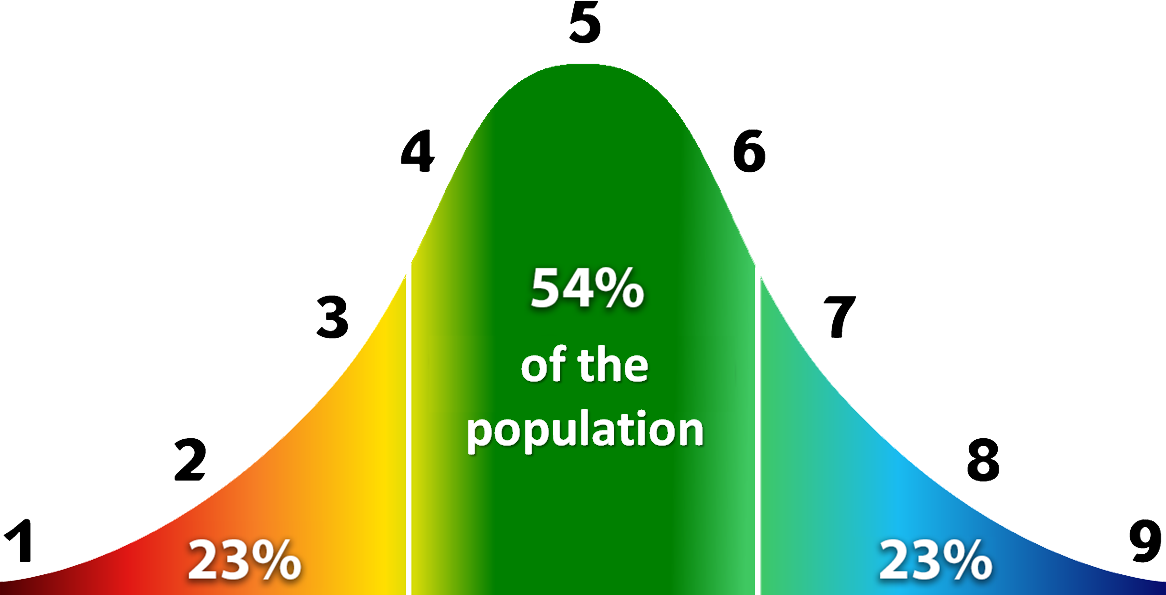
9) Percentiles 96-100, ~4% are the highest marks, ~96% scored lower (4% achieved this exact score) - approximately 4% of the population is at this level, indicating they are elite individuals.
8 high (10%)
 
7%
8) Percentiles 89-96,~4% attained a higher score,~89% attained a lower score (7% attained exactly this score) -~approximately 10% of the population is at this score (or higher), meaning only a few people reach this score or above.
7 above average (23%)
 
12%
7) Percentiles 77-89, ~11% scored higher, ~77% scored lower (12% scored exactly this score) - about 1/4 of the population is at this score (or higher), meaning a small part of the population.
6 high average (40%)
 
17%
6) Percentiles 60-77, ~23% achieved a higher score, ~60% achieved a lower score (17% achieved exactly this score) - ~about 40% of the population falls within this score (or higher), meaning the level is slightly above average.
5 average (50%)
 
20%
5) Indicator 40-60%, ~ 40% got a higher score, ~ 40% got a lower score (20% got this exact score). ~ This is an average score, half of the candidates get a higher score and half a lower score.
4 low average (60%)
 
17%
4) Percentile 23-40%, ~60% scored higher, ~23% scored lower (17% scored exactly at this score). -~Around 60% of the population achieved higher than this level, meaning this level is slightly below average.
3 below average (75%)
 
12%
3) Percentiles 11-23%, ~77% scored higher, ~11% scored lower (12% achieved exactly this score) -~approximately 3/4 of the population achieved higher results than this level.
2 low (90%)
 
7%
2) Percentiles 4-11%, ~89% reached a higher score, ~4% reached a lower score (7% reached this exact score) - ~90% of the population achieved higher results than this level.
1 very low (96%)
 
4%
1) Indicator 0-4%, ~ 4% below points, ~ 96% achieved a higher score (4% achieved exactly this point) - ~ Almost all candidates received higher scores than this level.

The [9] Scale: Represents the percentile of population that will reach or surpass this grade.
This implies the majority of the population will score 4, 5 or 6 and only a fraction will score 9 or 1.
personality
(7 sections distribution)
7 Very high (5%)
 
5%
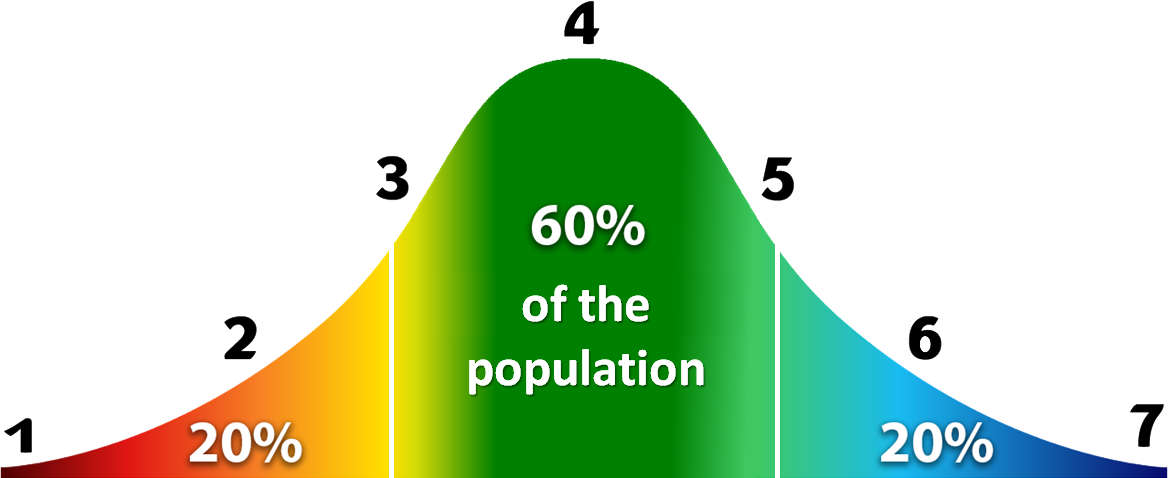
7) Percentiles 96-100%, the top 5% of the population, 95% scored lower (5% reached this exact score). About 5% of the population is at this level, indicating exceptional individuals.
6 High (15%)
 
10%
6) Percentiles 86-95%, 5% scored higher, 85% scored lower (10% scored exactly this) - about 15% of the population is in this score (or higher), meaning a small part of the population.
5 Average - High (35%)
 
20%
Percentiles 66-85%, 15% scored higher, 60% scored lower (20% achieved exactly this score). Approximately 35% of the population is at this score (or higher), meaning the level is slightly above average.
4 Average (50%)
 
30%
Masons 36-65%, 35% have a higher score, 35% have a lower score (30% have just scored) This is the average grade, half the people score higher and half lower score.
3 Average - Low (65%)
 
20%
3) Percentiles 16-35%, 65% achieved a higher score, 15% achieved a lower score (20% achieved exactly this score) approximately 65% of the population achieved higher achievements than this level, meaning the level is slightly below average.
2 Low (80%)
 
10%
2) Percentiles 6-15%, 85% scored higher, 5% scored lower (10% achieved exactly this score) approx. 85% of the population reached higher achievements than this level.
1 Very low (95%)
 
5%
Masters 0-5%, 5% lower grades, 95% scored higher (5% scored exactly), almost all examinees achieved higher levels than this.

The [7] Scale: Represents the percentile of population that will reach or surpass this grade.
This implies the majority of the population will score 3, 4 or 5 and only a fraction will score 7 or 1.

The Personality Report is based on research that observed how a person ranks himself, his views and the way others rate him.

The scores range from "very high" to "very low" and are statistically relative, i.e. "very high" is relatively high in comparison to the population and in other words reflects the fact that the majority of people rank lower in a specific metric.

LogiPass
Tests and Traits for Authority Engineer - Here you will be able to select (✓) the tests that interest you, keep an eye on the correlation between traits and tests; removing a test might decrease a trait's influence or remove it completely, hence we advise you to take every test (at least once). Keep in mind that these tests and traits are tailored to the profession you had picked.
LogiPass
Job Description - Civil engineering is a broad field of engineering that deals with the planning, design, and execution of structures and systems for the needs of industry, the public, and individuals. Typical tasks that a civil engineer engages in include structures and multi-story buildings, residential and industrial buildings, roads, airports, ports, energy facilities, bridges, dams, water resource utilization, hydrology and hydrological structures, highways and interchanges, water supply and sewage, and aspects of construction management. (Source: Wikipedia)
LogiPass
Costs and Coupons - Please note that the practice is one-time only. You can receive a coupon of 42 ₪ for purchasing additional practice when all tests have been selected. The cost of the test kit depends on the number of tests selected. Since at LogiPass the questions are drawn from a large and random pool, the coupon will allow you to practice again the tests you found difficult.
LogiPass
Customer Support - The moment you purchase the tests kit, you will be able to contact our customer support (regular working hours) and we will be happy to assist you with any problem you might encounter.
Received a coupon and don't know how to apply it? Call us at +972778001290 or by email to: [email protected] and we will be glad to guide you.

Are the corresponding traits
The marked tests are required according to the profession you have chosen. You can remove tests at your discretion, but it is recommended to complete all of them.
Test language: English
$ 0
are the corresponding tests
 

General cognitive ability, reflecting the ability to learn, absorb, process and use information, acquire new skills, and cope with intellectual challenges.

The ability to derive concrete conclusions from abstract ideas.

The ability to process different types of visual shape-based stimuli, accurately perceive visual forms, and track their position as they change in space. This ability is relevant, for example, to roles that require creating and reading diagrams, drawings, maps, plans, and similar materials, as well as understanding how these visual-spatial representations are reflected in reality.

The visual perception of three-dimensional shapes, as well as the ability to mentally rotate three-dimensional objects in space.

The ability to identify hidden shapes within a complex visual structure while ignoring irrelevant stimuli.

The ability to quickly and efficiently perform simple, monotonous tasks that require attention, concentration, attention to detail, and accuracy.

The ability to remember information encountered in everyday situations and integrate it with prior knowledge, so it can be used later to achieve goals and complete tasks. The information remembered is meaningful, and the memory formed depends on the context in which the new information was learned.

The ability to successfully handle problems that are primarily verbal, and to analyze and understand complex verbal messages.

Understanding of basic mechanical and technical principles, simple machines, tools, and basic concepts in electricity.

The breadth of knowledge acquired throughout life across various fields, serving as an indicator of future learning potential.

The ability to analyze different types of data and draw actionable conclusions from them.

The ability to find and improve solutions to problems using technology.

Warning!
Attention!
Proceed to Payment start a free trial


Information and additional options:

IQ estimate Career Guidance Education guidance Career counseling
Personality Test

The shortened version of the exam evaluates 17 fundamental personality traits with the help of 15 exercises, in which you will be required to rate traits and different scenarios.
This is a short and simple exam.