 Aptitude Test for Radiographer
Our system also generates PDF files for ease of use.

 Summary
 Skills
 Tests
 Personality
Radiographer
Radiographer


Radiographer





Radiographer
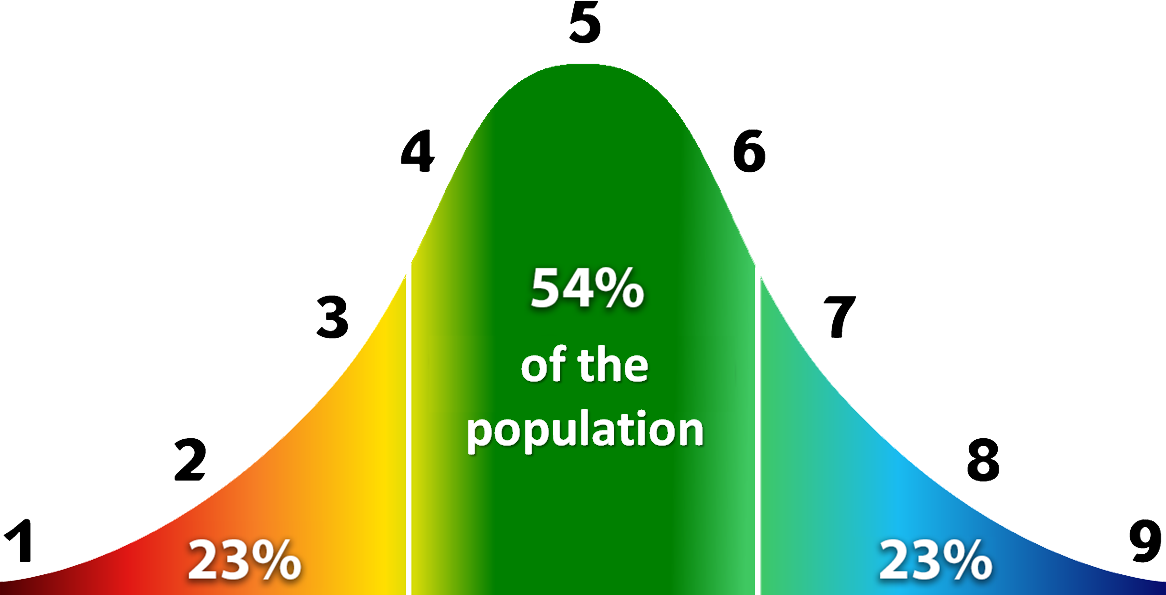
The [9] Scale: Represents the percentile of population that will reach or surpass this grade.
This implies the majority of the population will score 4, 5 or 6 and only a fraction will score 9 or 1.
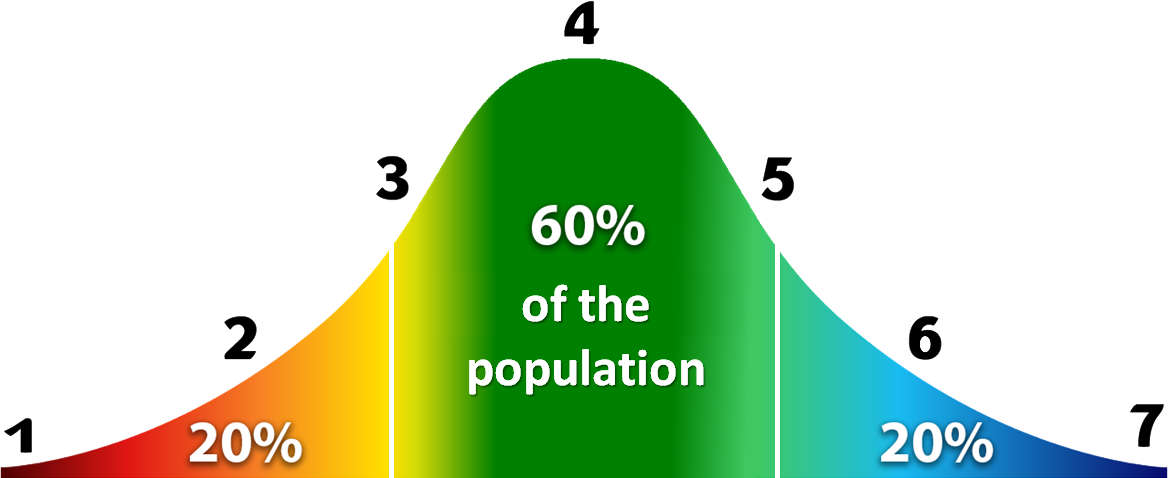
The [7] Scale: Represents the percentile of population that will reach or surpass this grade.
This implies the majority of the population will score 3, 4 or 5 and only a fraction will score 7 or 1.
The Personality Report is based on research that observed how a person ranks himself, his views and the way others rate him.
The scores range from "very high" to "very low" and are statistically relative, i.e. "very high" is relatively high in comparison to the population and in other words reflects the fact that the majority of people rank lower in a specific metric.

Received a coupon and don't know how to apply it? Call us at +972778001290 or by email to: [email protected] and we will be glad to guide you.

General cognitive ability, reflecting the ability to learn, absorb, process and use information, acquire new skills, and cope with intellectual challenges.
The ability to derive concrete conclusions from abstract ideas.
Level of English proficiency, measured in two aspects: vocabulary knowledge, ranging from basic to advanced, and the ability to understand overall meaning.
The ability to process different types of visual shape-based stimuli, accurately perceive visual forms, and track their position as they change in space. This ability is relevant, for example, to roles that require creating and reading diagrams, drawings, maps, plans, and similar materials, as well as understanding how these visual-spatial representations are reflected in reality.
The visual perception of three-dimensional shapes, as well as the ability to mentally rotate three-dimensional objects in space.
The ability to identify hidden shapes within a complex visual structure while ignoring irrelevant stimuli.
General numerical aptitude, including the ability to perform basic arithmetic operations quickly and accurately, estimate numerical values, and use mathematical thinking and reasoning.
The ability to quickly and efficiently perform simple, monotonous tasks that require attention, concentration, attention to detail, and accuracy.
The ability to remember information encountered in everyday situations and integrate it with prior knowledge, so it can be used later to achieve goals and complete tasks. The information remembered is meaningful, and the memory formed depends on the context in which the new information was learned.
The ability to successfully handle problems that are primarily verbal, and to analyze and understand complex verbal messages.
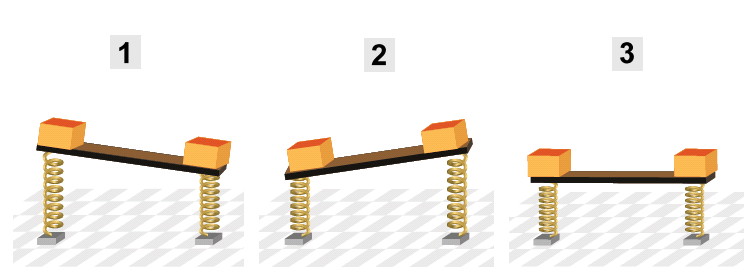
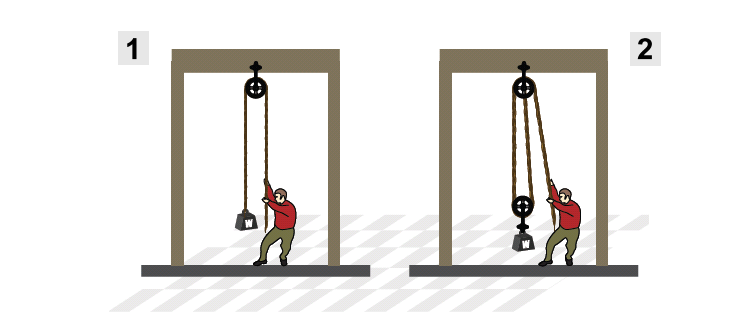
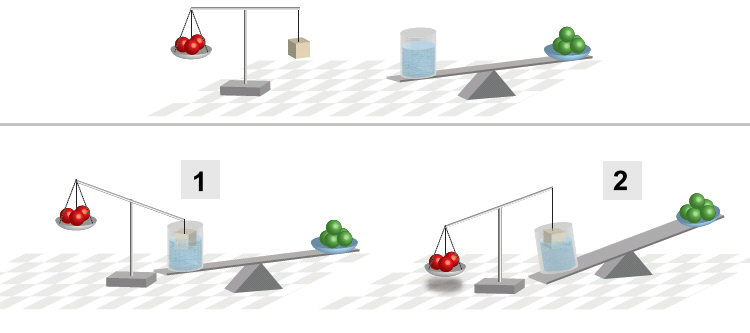
Understanding of basic mechanical and technical principles, simple machines, tools, and basic concepts in electricity.
The breadth of knowledge acquired throughout life across various fields, serving as an indicator of future learning potential.
The ability to analyze different types of data and draw actionable conclusions from them.
Information and additional options:

The shortened version of the exam evaluates 17 fundamental personality traits with the help of 15 exercises, in which you will be required to rate traits and different scenarios.
This is a short and simple exam.